 admin
adminExploring the intricate balance of chance and strategy in game design mechanics
The Role of Chance in Game Design
Chance is a fundamental aspect of many game designs, particularly in genres such as gambling, board games, and video games. It introduces unpredictability, which can enhance the excitement and engagement of players. For instance, in games like poker, the random dealing of cards creates a dynamic environment where skillful players must adapt their strategies based on the ever-changing circumstances. Moreover, if you’re looking to explore the best tennis betting sites, you will find similar dynamics at play where the odds can shift dramatically. This element of chance keeps the game fresh, as no two sessions will ever be exactly alike.
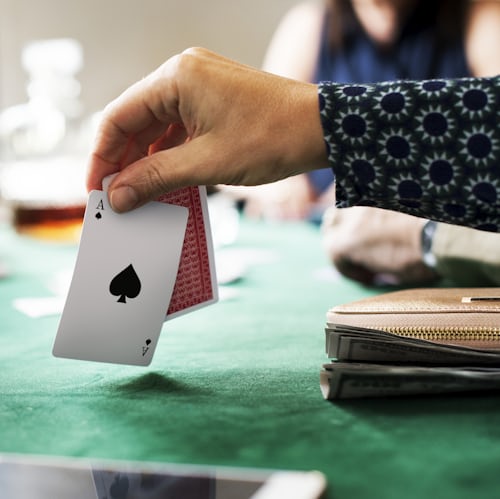
Furthermore, the integration of chance can lead to significant moments of tension and triumph. A player might find themselves facing insurmountable odds, only to pull off a surprise victory thanks to a fortunate roll of the dice or a lucky draw. These moments can create memorable experiences that resonate with players long after the game has ended, reinforcing the idea that chance is not merely a hindrance but a thrilling component of gameplay.
In addition, chance can serve as a leveling mechanism. For example, games designed for both novice and expert players can balance competition by incorporating random elements. New players may find themselves in positions to win against seasoned opponents due to unexpected outcomes, which can foster a more inclusive gaming environment. As a result, the interplay of chance invites players to remain engaged, regardless of their skill level.
The Importance of Strategy in Game Mechanics
Strategy plays a crucial role in shaping a player’s experience and outcomes in many games. Unlike chance, which is random and unpredictable, strategy involves critical thinking, planning, and foresight. In strategy-based games such as chess, players must anticipate their opponent’s moves and formulate counter-strategies to achieve victory. This deep level of engagement often leads to a rewarding experience, as players feel accomplished when they successfully execute a well-thought-out plan.
Moreover, a well-crafted game design incorporates strategic elements that challenge players to think critically. Games like Settlers of Catan encourage players to make decisions about resource management, trading, and positioning, thus creating an engaging interplay between chance and strategy. The strategic layer not only influences immediate game decisions but also affects long-term outcomes, making each player’s choices meaningful and impactful.
In many cases, strategy and chance coexist harmoniously, enhancing the overall gameplay experience. For example, in a role-playing game (RPG) like Dungeons & Dragons, chance is introduced through dice rolls, while strategy comes into play during character development and decision-making. Players must strategize their character’s skills, alliances, and combat tactics while being aware of the potential unpredictability of dice outcomes, which makes every session unique and exhilarating.
The Interplay Between Chance and Strategy
The relationship between chance and strategy in game mechanics is intricate and multifaceted. A game that relies heavily on chance can sometimes frustrate strategic players who prefer calculated decisions. Conversely, a game that is purely strategic may lack the excitement that chance can introduce, making it less appealing to a broader audience. Striking the right balance between the two can create an engaging experience that caters to diverse player preferences.
For example, many board games, such as Monopoly, rely on dice rolls to determine movement while simultaneously requiring players to make strategic decisions about property acquisition and trade. The blend of chance and strategy ensures that players remain engaged, as they must adapt their tactics based on the unpredictable outcomes of the dice. This combination allows for diverse gameplay experiences, creating scenarios that are both exciting and intellectually stimulating.
Game designers often experiment with varying degrees of chance and strategy to understand player engagement. Playtesting is an essential part of this process, as designers assess how changes in game mechanics affect player experience. Feedback from players can reveal whether a game feels too random or too strategic, enabling developers to refine their designs and create a more balanced gameplay experience.
Examples of Games Highlighting This Balance
Several popular games illustrate the intricate balance between chance and strategy, showcasing how both elements can coexist successfully. In games like Risk, players engage in strategic troop placement and territorial control, but the outcomes of battles are determined by dice rolls. This combination keeps the game exciting and unpredictable, as players must adapt their strategies based on the results of their rolls, highlighting the delicate balance between planning and luck.
Another exemplary case is the game of Magic: The Gathering, a collectible card game where players build decks and devise strategies. However, the randomness of drawing cards introduces an element of chance that players must navigate. Successful players learn to optimize their strategies based on their deck composition while being ready to adapt if they draw unexpected cards. This dynamic interplay fosters a competitive atmosphere where both strategy and luck play significant roles in determining the outcome.
These examples illustrate that games can thrive by effectively merging chance and strategy, providing players with layered experiences that cater to various preferences. As game design continues to evolve, understanding this balance will be paramount in creating engaging and memorable experiences for players around the world.

Conclusion and Insights on Game Design Mechanics
In conclusion, exploring the intricate balance of chance and strategy in game design mechanics is essential for creating engaging and enjoyable experiences. Game developers must consider the delicate interplay of these elements, understanding that both chance and strategy can enhance player engagement. Through careful consideration and playtesting, designers can refine their creations to ensure that they resonate with a wide audience, fostering an environment where players feel challenged yet entertained.
As gaming continues to evolve, the importance of this balance will only become more pronounced. Future game designs will likely explore new ways to integrate chance and strategy, pushing the boundaries of traditional gameplay mechanics. With the right blend of these elements, developers can craft compelling narratives and immersive experiences that keep players coming back for more.
