Jose Evans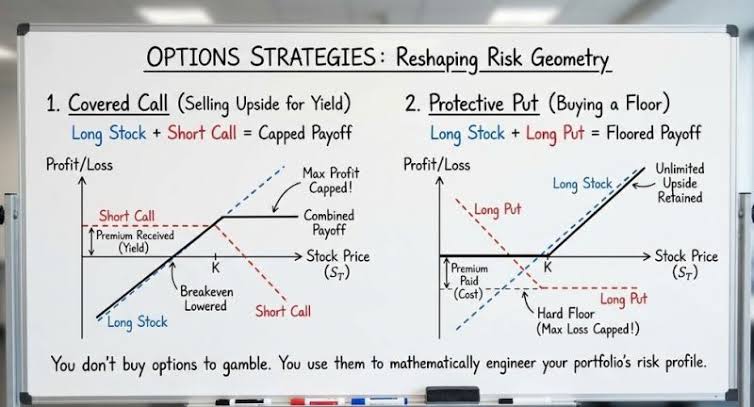
Volatile markets can expose investors to risks that are difficult to manage with straightforward buying or selling. Prices can move sharply, implied volatility can change quickly, and the cost of protection can rise precisely when investors need it most. Put options offer one way to structure protection, but their effectiveness depends on more than simply purchasing a contract. Skew, delta exposure, expiration, strike selection, and the potential for extreme market declines all influence how a put position behaves.
Understanding these factors can help investors think more clearly about downside protection. Rather than treating puts as a universal insurance policy, it is useful to view them as flexible instruments that can be combined into structures suited to different market conditions. A sound approach begins with understanding what a put actually does, then considering how volatility pricing and portfolio exposure affect the outcome.
Understanding Put Options in Volatile Markets
A put option gives its buyer the right, but not the obligation, to sell an underlying asset at a predetermined strike price before or at expiration, depending on the contract style. Investors may use puts to hedge an existing position, express a bearish view, or construct more complex strategies. Anyone new to the subject can benefit from reviewing resources covering put options explained before considering how individual contracts fit into a broader strategy.
The value of a put is influenced by several variables, including the underlying asset’s price, strike price, time remaining, interest rates, and implied volatility. In a volatile market, implied volatility becomes particularly important because option premiums often reflect increased demand for protection. This means an investor may correctly anticipate a decline while still facing an unfavourable entry price if downside protection has already become expensive.
Market professionals therefore tend to consider both the direction of an expected move and the cost of expressing that view. A put purchased after a major selloff may behave differently from one purchased when markets appear calm. The central question is not simply whether a put protects against losses, but how much protection is being purchased, at what price, and over what period.
How Volatility Skew Shapes Put Structures
Volatility skew describes differences in implied volatility across option strikes with the same expiration. In many equity markets, out-of-the-money puts can carry higher implied volatility than comparable calls because investors and institutions place substantial value on downside protection. This creates a pricing environment where distant downside strikes may be relatively expensive compared with options closer to the current market price.
Skew can influence how investors construct a hedge. Buying a single far out-of-the-money put may provide substantial protection during a severe decline, but the option can expire worthless if the market remains above its strike. An investor seeking a more balanced cost profile might instead consider a put spread, purchasing one put while selling another at a lower strike. The short put reduces the initial premium but also limits protection below its strike.
Another consideration is that skew can change as market expectations evolve. During periods of stress, demand for downside protection can increase, potentially causing implied volatility for lower strikes to rise sharply. Investors who understand this relationship can evaluate whether a proposed structure is providing affordable protection or simply paying a high premium for insurance after risk has already become apparent. The appropriate structure depends on the investor’s objectives, risk tolerance, and time horizon.
Managing Delta Exposure and Tail Risk
Delta measures how much an option’s value is expected to change for a small movement in the underlying asset, although the relationship is not fixed. A long put generally has negative delta, meaning its value tends to increase as the underlying asset falls. As the market moves, however, the option’s delta can change. This dynamic becomes especially important during sharp declines, when a put can become increasingly sensitive to additional movements in the underlying asset.
Investors managing portfolios should therefore consider the combined delta of their positions rather than examining individual options in isolation. A portfolio containing stocks and protective puts may have a different effective market exposure than the stock position alone. Depending on the strikes and expirations selected, the hedge may provide relatively modest protection against ordinary declines while becoming substantially more responsive during a deeper selloff.
Tail-risk hedging focuses specifically on unusually large adverse events, such as severe market dislocations. A tail hedge is generally designed around scenarios that may be infrequent but potentially damaging. Long-dated, out-of-the-money puts can serve this purpose, although maintaining them can involve significant ongoing premium costs. Other structures, including put spreads, can reduce those costs while accepting a defined limit to the protection available.
Conclusion
Put structures can be valuable tools for navigating volatile markets, but their effectiveness depends on thoughtful construction. Skew affects the relative cost of different strikes, delta influences how protection responds to price movements, and tail-risk considerations determine whether ordinary downside protection is sufficient. These factors interact, making it important to look beyond the headline premium of an option.
A disciplined approach begins by identifying the specific risk being hedged and then selecting a structure that matches the desired protection, duration, and cost. Whether an investor uses a single put, a spread, or another defined-risk arrangement, understanding the trade-offs creates a stronger foundation for decision-making.

 Sandra Rivera